
The five most common groundbreaking mistakes are overlooking competing events, failing to capture guest information, not confirming vendors, having no backup plan and not following up afterward. Each is easy to avoid with a little planning.
- Check local calendars before you pick a date.
- Collect every guest’s contact details at check in.
- Put vendor agreements in writing and confirm them a few days before.
- Have a backup for weather, vendors and technology.
- Thank everyone who registered, whether they came or not.
It isn’t every day that a company breaks ground on a building. It is a big day and often the project’s first public relations event. Here are five common mistakes, and how to avoid each one.
1. Overlooking competing events
Before you pick a date, check for major events happening in your area, such as city council meetings, community festivals, other ribbon cuttings or groundbreakings, and industry conferences. You will put a lot of effort into getting people’s attention. Don’t let them miss your event because another one was on the same day.
2. Not capturing guest information
Know exactly who came to your groundbreaking. A check in table with a guest list, or a simple business card collection at the door, captures every guest’s contact details and company. That list becomes your follow up list and a real addition to your network. Our invitations and guests service handles check in for you.
3. Not confirming with your vendors
Events have many moving pieces, and managing different vendors arriving at different times gets confusing fast. Have a written agreement with each vendor that says where, when and what they are responsible for. A few days before the event, check back in and remind them.
4. Not having a backup plan
People and technology aren’t always reliable, but you need to be. A vendor cancels at the last minute, a speaker blows out, a computer crashes, or someone forgets the presentation. Over-prepare so you can relax and adjust. Hope for the best and plan for the worst: a spare microphone, printed remarks, a backup vendor list and a weather plan. Our day-of production service plans against each of these.
5. Not following up after the event
You held a successful groundbreaking. People enjoyed it and you made an impact. Now what? Thank everyone who attended, and everyone who registered even if they didn’t come. They are now part of your network, and gratitude is one of the foundations of a new relationship. Send a press release with photos, share the recap on your website and social media, and keep the list for your topping out and grand opening.
The bigger picture
An effective groundbreaking plan includes public relations, publicity, brand awareness and the event itself. Every project, whatever its size, benefits from short term and long term goals for what the day should achieve.
Five more mistakes we see
6. Too many speakers
Every partner wants a moment at the microphone, but guests are usually standing outdoors. Keep the program to three or four speakers and thank the rest by name. Our guide to groundbreaking speeches shows a sample order.
7. Forgetting the neighbors
Neighbors will live with the fences, trucks and noise. Inviting them, or at least telling them about the event and the construction schedule, builds goodwill that lasts through the build.
8. No one owns the press
When the press release belongs to everyone, it goes out late or not at all. Name one person to draft it, collect approved quotes before the day and send it the same afternoon.
9. Unclear directions and parking
Job sites are hard to find and harder to park at. Put the address, a map, parking details and what to wear on the invitation and in the reminder, and put a sign at the entrance.
10. Numbers that don’t match
When the mayor says one number of homes and the release says another, reporters notice. Give every speaker the same fact sheet and confirm each number with the owner.
How to avoid all ten
Most of these mistakes come from starting late or spreading responsibility too thin. Start six to eight weeks ahead, name one owner for the plan, put every vendor in writing and follow our printable groundbreaking checklist. Or hand the logistics to our groundbreaking ceremony service.
Frequently asked questions
What is the single biggest mistake?
Not following up. The ceremony is one morning; the relationships and coverage from the follow up last for the whole project.
How do we find competing events?
Check the city’s event calendar, the chamber of commerce, local news listings and your partners’ calendars.
What belongs in a vendor agreement?
Arrival and setup times, location on site, what they provide, who their contact is on the day and when they leave.
Want a plan with no gaps?
We’ll build your run of show, confirm every vendor and handle the follow up, so none of these mistakes happen on your day.
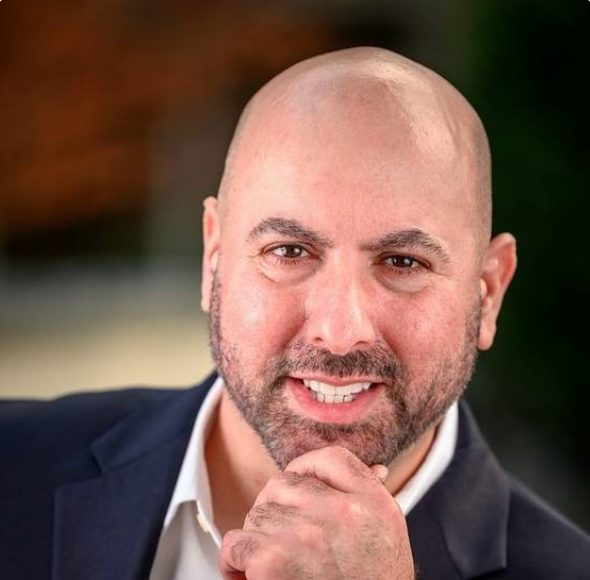
David Mitroff, Ph.D., is The Professional Connector®, a two-time TEDx speaker and the CEO and founder of Piedmont Avenue Consulting, Inc., an award-winning San Francisco Bay Area firm. He has taught at the University of California, Berkeley for more than 7 years and is the author of The Event Effect. More about David.