
Invite the people who made the project possible and the people it will serve: the owner’s leadership, elected officials and city staff, investors and lenders, the architect, engineers and builders, future tenants or buyers, neighbors and community groups, and the press. Build the list in tiers, invite officials first, and send everyone else an invitation three to four weeks ahead.
- Start with the people who made the project possible, then the people it will serve.
- Invite elected officials first, because their calendars fill weeks ahead.
- Build the list in tiers: speakers, VIPs, project team, community and press.
- Ask every partner firm for their own short list, so no one important is missed.
- Keep the list after the event; it becomes the list for your topping out and grand opening.
The guest list decides what a groundbreaking can do for you. The same shovels and the same tent can introduce a developer to a city, thank a lender, launch leasing or win a builder its next job. What changes is who is standing there. Here is how we build the list for every ceremony we plan.
Start with what the day should achieve
Before you write a single name, agree what the event is for. A ceremony that introduces a new project to the city needs officials and reporters. One that thanks investors needs time for conversation. One that launches leasing needs future residents and brokers. Our planning timeline starts with this step for a reason: the goal tells you who to invite first.
Tier 1: speakers and officials
These are the people whose presence shapes the program. Invite them as soon as the date is set.
- The owner or developer: usually the first speaker and the host of the day.
- Elected officials: the mayor, council members, county supervisors and, for large projects, state legislators. Contact their scheduling offices directly.
- City staff: the city manager, planning director, building official and economic development staff who worked on approvals.
- One partner voice: the lender, the architect or a community leader who can speak to what the project means.
At the Anton NoMa groundbreaking in Walnut Creek, Mayor Cindy Silva spoke and City Manager Dan Buckshi attended. Having the city visible at the ceremony told the community that the project had the city’s support. Read the full Anton NoMa story.
Tier 2: the people who made it possible
- Investors, equity partners and the project’s bank or lender
- The architect and the design team, including landscape and interior designers
- Structural, civil, mechanical and electrical engineers
- The general contractor, the project manager and the superintendent
- Key subcontractors, especially those starting work in the first months
- Land use attorneys, consultants and the brokers who worked on the deal
- Your own staff, including people who rarely get to see a project in public
Ask each partner firm to send you two or three names of their own. Firms appreciate being asked, and you avoid leaving out someone who worked on the project for years. Our pages for architects, engineers and construction firms explain what each of them gets from the day.
Tier 3: the people the project will serve
- Future tenants, retail partners, buyers or residents on a waiting list
- Neighbors, homeowners associations and neighborhood groups
- The local chamber of commerce and business associations
- Schools, nonprofits and community organizations near the site
- Business owners with a history on the site, like a restaurant that used to be there
Neighbors are the guests most often left off the list, and they are the people who will live with the construction fences and trucks. Inviting them early builds goodwill that lasts through the build.
Tier 4: the press
Invite local newspaper, radio and TV reporters, the trade publications that cover real estate, construction and design, and the city’s own communications office. Send them a media advisory a week or two ahead, not a standard invitation. Our guide on writing a groundbreaking press release covers the advisory and the release.
How many people to invite
Groundbreakings range from a small group of partners on a fenced lot to large public events. Let the site decide. Your general contractor will tell you how many guests the site can hold safely, where they can stand and where they can park. Plan for some invited guests not to attend, and keep a short waiting list of people you can invite once the first replies come in.
Sending the invitations
- Officials and VIPs: a personal call or email from the owner as soon as the date is set, followed by a formal invitation.
- Everyone else: an invitation three to four weeks ahead, with an RSVP link and a reply date.
- All guests: a reminder a few days before with parking, what to wear on a job site and the weather plan.
Our invitations and guests service builds the list with you, sends the invitations, tracks replies and checks guests in on the day.
After the event, keep the list
The guest list is one of the most valuable things a groundbreaking produces. Thank every guest, and everyone who registered but could not come, then keep the list for your topping out ceremony, your ribbon cutting and your grand opening.
Frequently asked questions
Should we invite the general public?
Sometimes. Many groundbreakings are invitation only because they happen on an active site, and the public hears about them through the press and social media. A larger public event works best on a safe, open site.
How early should we invite the mayor?
As soon as the date is set. Ask the mayor’s office about their scheduling process, and be ready to move the date if the mayor’s calendar matters to you.
Is it rude to invite competitors?
Not usually, but it is rarely the goal. Focus on partners, the city, the community and the people who will hire your team next.
Should subcontractors be invited?
Yes, especially the ones starting work soon. They are part of the team, and many of them will refer future work.
Want the guest list built for you?
We’ll build the list with you, invite the officials, send every invitation and handle the replies, so no one who matters is missed.
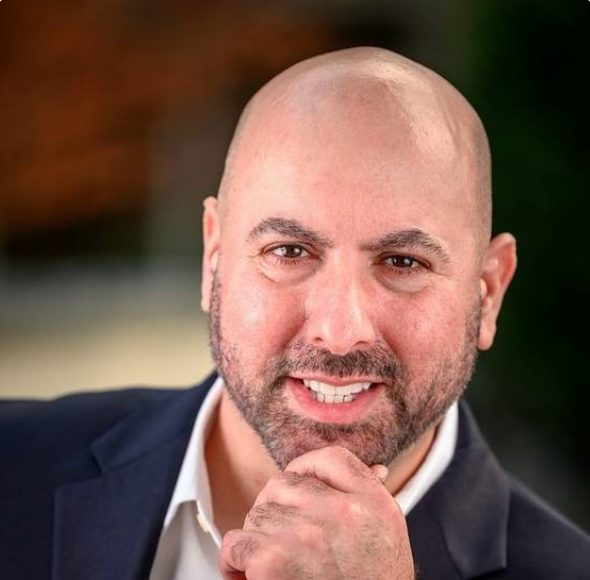
David Mitroff, Ph.D., is The Professional Connector®, a two-time TEDx speaker and the CEO and founder of Piedmont Avenue Consulting, Inc., an award-winning San Francisco Bay Area firm. He has taught at the University of California, Berkeley for more than 7 years and is the author of The Event Effect. More about David.