Three things matter most: thank the people who made the project possible, prepare for a change in the weather, and give invitations plenty of time. Send invitations three to four weeks before the event, and make sure every one is out at least two weeks before.
- A groundbreaking is a thank you as much as a promotion.
- Follow up with a release, photos and handwritten notes.
- Even in California, plan for rain with a tent, umbrellas and an indoor backup.
- Have every invitation out at least two weeks before the day.
- Invite the media along with your partners and city officials.
Planning a groundbreaking is a first for many companies, and it can get hectic. There is pressure, because it is often a project’s first official public event. Keep these three things in mind and the rest gets easier.
1. Thank the people who made it possible
A groundbreaking promotes your business, but it also thanks the people who helped make the project possible. Recognize your partners by name in the remarks, and thank your guests afterward with a post-event press release that includes a photo from the ceremony. It promotes the event to the wider community and thanks everyone who helped along the way.
Go one step further with handwritten thank you notes to each attendee, with a photo from the day and your business card. It invites them to call you with questions, and it is the kind of gesture people remember. Our press and media service prepares the release and photos for you.
2. Prepare for a change in the weather
In California it is easy to assume the sun will shine, but plan for the worst anyway. Have a tent, a podium, shovels, hard hats and umbrellas ready in case of rain or strong sun. If the weather turns, have an indoor location nearby for the reception, so guests can mingle and ask questions and you can spend time with the press.
3. Give invitations plenty of time
Send invitations three to four weeks before the event, and treat two weeks before as the last day for any invitation to go out. Include everyone who made the project possible:
- Your architect and engineers
- Your clients, future tenants or buyers
- Your general contractor and key subcontractors
- Community officials and city staff
- Your banker, lender and investors
- Your own staff
Don’t forget the media. Local radio stations, newspapers and TV programs are interested in business growth in their community. Our press release guide explains how to reach them.
Two more things experienced teams plan for
The site itself
Walk the site with your general contractor two to four weeks before the event. Look at where guests will arrive, where they will stand, where the podium goes and where the photographer will shoot from. Check for noise from nearby work, shade, power for the sound system and a place for the caterer to set up.
Your own team’s role
Your team should spend the day with guests, not chasing vendors. Decide in advance who greets officials, who talks to reporters, who looks after investors and who handles the logistics. When one person or an outside team owns the logistics, everyone else can focus on the relationships the day is for.
What to send after the event, and when
- The same day: the press release with two or three captioned photos, and social media posts.
- Within a few days: handwritten thank you notes to speakers, officials and key partners, and a thank you email to every guest.
- Within two weeks: a recap on the project page and in your newsletter, with the coverage you received.
- Through construction: occasional updates to the same list, leading up to the topping out and grand opening.
Our guide on how to promote your groundbreaking covers the follow up in more detail, and our guide to who to invite explains how to build the list in the first place.
Frequently asked questions
Is two weeks enough notice for invitations?
Two weeks is the latest you should send them. Three to four weeks gives busy guests and officials time to plan.
Should we send printed or email invitations?
Either works. Many companies send an email invitation with an RSVP link, and a printed invitation to officials and key partners.
Who should get a thank you note?
Every attendee, and especially speakers, officials and partners who helped make the project happen.
Want help with the guest list?
We’ll build the list with you, send the invitations and handle the thank yous, so no one who matters is missed.
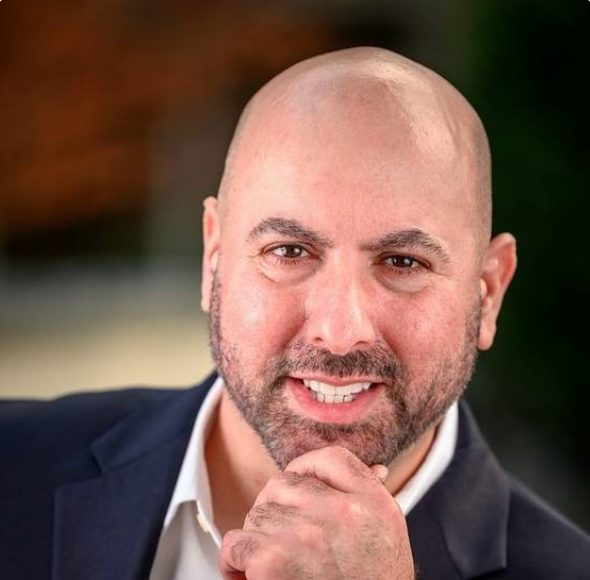
David Mitroff, Ph.D., is The Professional Connector®, a two-time TEDx speaker and the CEO and founder of Piedmont Avenue Consulting, Inc., an award-winning San Francisco Bay Area firm. He has taught at the University of California, Berkeley for more than 7 years and is the author of The Event Effect. More about David.